|
|
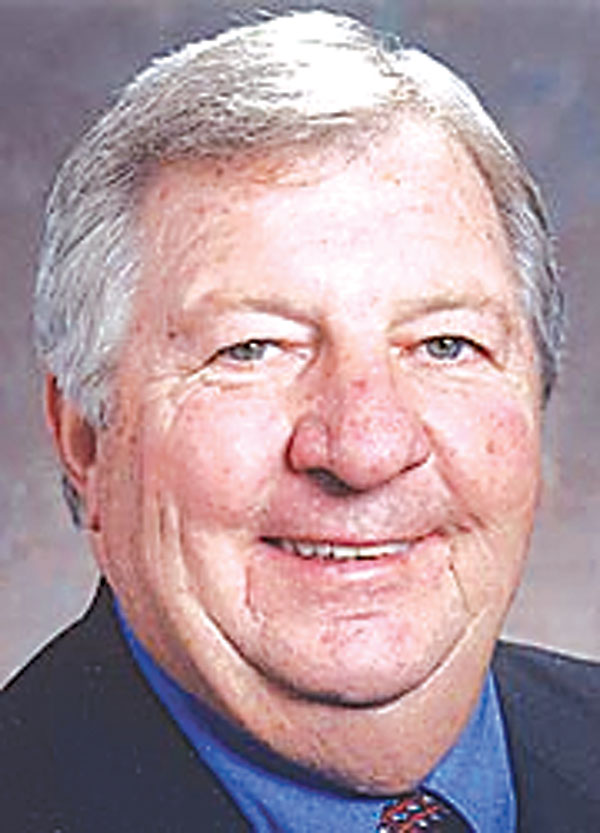
JOSEPH
J. (SONNY) MINNICK
House
Office Building, Room 403
6 Bladen St.,
Annapolis, MD 21401
(410) 841-3332,
(301) 858-3332
1-800-492-7122,
ext. 3332 (toll free)
e-mail: [email protected]
fax: (410)
841-3177, (301) 858-3177
|
Sonny Sez
|
An Election Thank You
-
by Delegate Sonny Minnick (D - 6) -
|
Voting in an off-year
election takes real dedication, so I want to thank all of you who made
your way to the polls last week and during the early voting period to
cast your ballot. I’m grateful, once again, to win your approval and
represent you, your families, your organizations and businesses, in
Annapolis for another four years.
I’ve never, in all my years among the state’s representatives, taken
your support for granted, as I hope I’ve demonstrated time and again. I
see my re-election - after a tumultuous couple years that have seen our
state and national economy struggle to find stability - as a mandate to
work toward the vibrant economy our state once had. Other issues will
arise during my next term, as they always do, but I promise to come to
work every day with a focus on economic matters that weigh heavy
on your minds.
Serving the 6th District means more to me now than it ever has. People
are struggling, and I see and hear about it each day. Our state’s
economy, while seeing some signs of recovery, is still in need of a
jump start, and that’s exactly what I’ll work toward when delegates and
state senators reconvene in a couple months.
Creating jobs in every part of Maryland should remain our top priority
over the next year, and I’ve pledged to work with my colleagues to pass
common-sense legislation that will encourage small businesses to hire
out-of-work Marylanders and keep taxes at a reasonable rate for
entrepreneurs who mean so much to our local economy. After all, it is
these people - businessmen and women courageous enough to open shops
and stores and companies on their own – who serve as the backbone of
any thriving economy.
So once again, I thank you for your support throughout the election
cycle. I talked with many of you over the past few months, and I’ll do
whatever I can to address the pressing concerns of our district and our
state. Please keep in touch as the 2011 General Assembly approaches,
and let’s push for an economic policy that makes good sense for all of
you hard-working people.
|
|
|
|

